<style>
.bali-hero{
height:70vh;
background:url("https://kites.com.tr/uploads/Files/1772981396_1.jpg") center/cover no-repeat;
position:relative;
}
.bali-hero::after{
content:"";
position:absolute;
top:0;
left:0;
width:100%;
height:100%;
background:rgba(0,0,0,0.45);
}
.bali-hero .container{
position:relative;
z-index:2;
}
.bali-section{
padding:90px 0;
background:#f7f8fa;
}
.bali-section p{
font-size:17px;
line-height:1.8;
}
.bali-image{
border-radius:10px;
box-shadow:0 10px 30px rgba(0,0,0,0.1);
}
.bali-highlight{
background:white;
padding:35px;
border-radius:12px;
box-shadow:0 10px 30px rgba(0,0,0,0.08);
margin-bottom:30px;
}
.bali-gallery img{
height:260px;
object-fit:cover;
border-radius:10px;
}
.bali-note{
background:#eef7f3;
padding:40px;
border-radius:12px;
border-left:6px solid #2f8f72;
}
</style>
<section class="bali-hero d-flex align-items-center text-white">
<div class="container text-center">
</div>
</section>
<section class="bali-section">
<div class="container">
<div class="row align-items-center">
<div class="col-md-6">
<h1 class="display-3 fw-bold">BALI</h1>
<p style="font-weight:bold;">The Island of Gods, Volcanoes and Balance</p>
<p>
Bali is far more than a tropical island; it is a living philosophy shaped by a strong cultural identity. Life here revolves around the balance between people, nature, and the divine.
</p>
<p>
Rice terraces stretching beneath volcanic mountains, tropical forests, temple ceremonies, and traditional music define the rhythm of the island. In the early morning hours, small flower baskets appear along the streets. The sounds of temple music spread through villages, and on this island there is almost always a ceremony, ritual, or festival taking place.
</p>
<p>
Life in Bali is not simply the flow of everyday routines; it is a spiritual harmony. This philosophy is known as <strong>Tri Hita Karana</strong>, which represents the balance between humans, nature, and the gods.
</p>
</div>
<div class="col-md-6">
<img src="https://kites.com.tr/uploads/Files/1772981520_IMG_1856.jpeg" class="img-fluid bali-image">
</div>
</div>
</div>
</section>
<section class="bali-section">
<div class="container">
<div class="bali-highlight">
<h3>Rituals of Daily Life in Bali</h3>
<p>
Every morning in Bali, small woven baskets can be seen along streets and in front of homes. These offerings are called <strong>Canang Sari</strong>.
</p>
<p>
They are filled with flowers, rice, and incense and are placed as daily offerings to express gratitude to the gods. This simple yet meaningful ritual is one of the most visible traditions of Balinese culture.
</p>
<p>
Homes in Bali are not merely living spaces. Almost every house contains a small family temple, reflecting the spiritual nature of daily life.
</p>
<p>
Balinese people believe that nature is filled with spirits. For this reason, certain trees, rocks, and natural places are considered sacred.
</p>
</div>
<div class="bali-highlight">
<h3>Time Flows Differently in Bali</h3>
<p>
Balinese people do not measure time in the same way as Western societies.
</p>
<p>
The island follows two different calendar systems simultaneously:
</p>
<p>
• a 365-day calendar<br>
• the traditional 210-day Balinese calendar
</p>
<p>
Because of this, ceremonies, temple festivals, and religious rituals take place almost every day somewhere on the island.
</p>
</div>
</div>
</section>
<section class="bali-section" style="padding-top:10px;margin-top:-90px">
<div class="container">
<div class="bali-highlight">
<h3>Rice Terraces and the Subak System</h3>
<p>
Rice fields in Bali are not simply agricultural landscapes.
</p>
<p>
The island’s irrigation system, known as <strong>Subak</strong>, is a traditional cooperative water management system shared between farming communities. This centuries-old system reflects both agricultural knowledge and spiritual philosophy and is recognized as a UNESCO cultural heritage system.
</p>
<p>
For this reason, Bali’s famous rice terraces are not only beautiful landscapes but also part of a unique cultural ecosystem.
</p>
</div>
<div class="bali-highlight">
<h3>Tanah Lot Temple</h3>
<p>
One of Bali’s most iconic temples, Tanah Lot, stands dramatically on a rocky offshore island surrounded by the sea.
</p>
<p>
The temple is particularly famous for its breathtaking sunsets. During low tide visitors can walk across the rocks to reach the base of the temple, while at high tide the rock formation becomes completely surrounded by water.
</p>
<p>
According to local belief, sacred sea snakes guard the temple and protect it from evil spirits.
</p>
</div>
<div class="bali-highlight">
<h3>Tirta Empul Temple</h3>
<p>
Tirta Empul is one of the most important sacred water temples in Bali.
</p>
<p>
The temple is known for its holy spring waters, which are believed to possess purifying and healing powers. Visitors and locals participate in ritual bathing beneath the temple fountains as part of a spiritual cleansing ceremony.
</p>
<p>
This purification ritual is known as <strong>Melukat</strong>, an important spiritual tradition in Balinese Hindu culture.
</p>
</div>
<div class="bali-highlight">
<h3>Uluwatu Temple</h3>
<p>
Located on the southern tip of the island, Uluwatu Temple stands dramatically on a cliff approximately 70 meters above the Indian Ocean.
</p>
<p>
The temple is especially famous for its <strong>Kecak fire dance</strong> performances, which take place at sunset. During the performance, dancers chant rhythmic sounds while reenacting scenes from the ancient Hindu epic, the Ramayana.
</p>
<p>
Uluwatu is also home to one of Bali’s most famous monkey populations.
</p>
</div>
<div class="bali-highlight">
<h3>Handara Gate</h3>
<p>
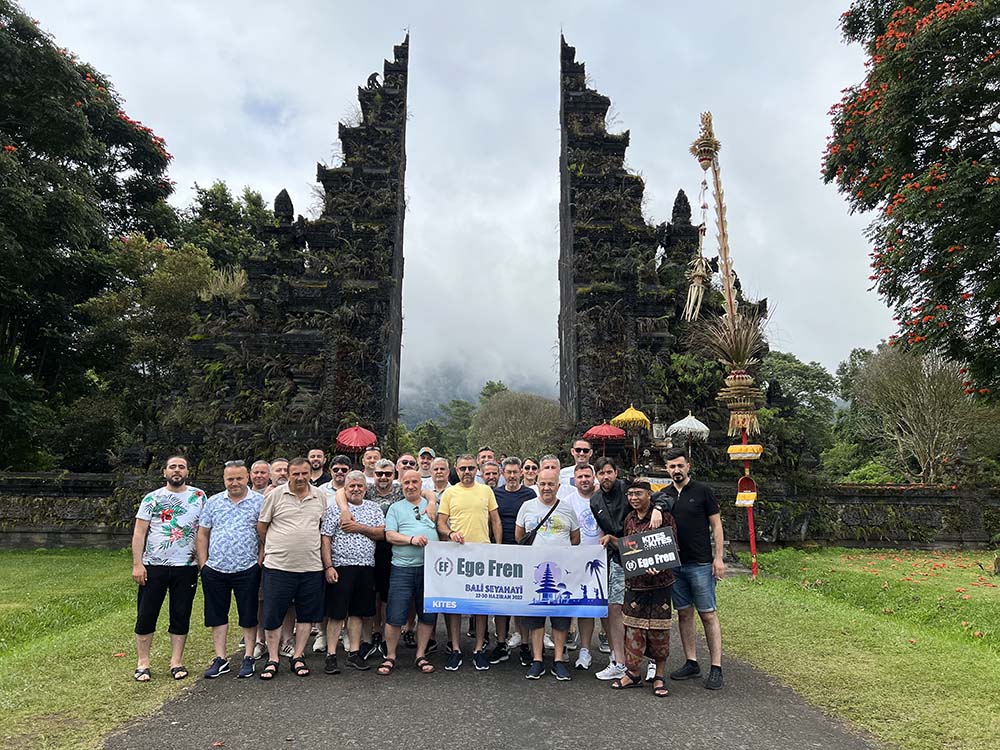
One of Bali’s most photographed landmarks is Handara Gate.
</p>
<p>
Surrounded by mountains and misty forests, this traditional split gate represents the entrance to a sacred temple complex. In Balinese architecture, such gates symbolize the passage between two worlds.
</p>
<p>
For many locals, this gate carries spiritual meaning beyond its popularity as a photography spot.
</p>
</div>
<div class="bali-highlight">
<h3>Nyepi – The Day of Silence</h3>
<p>
One of the most unique experiences in Bali is Nyepi, also known as the Balinese Day of Silence.
</p>
<p>
Nyepi marks the Balinese New Year, but unlike most celebrations around the world, it is observed in complete silence.
</p>
<p>
On this day:
</p>
<p>
• the airport closes<br>
• flights are suspended<br>
• vehicles are not allowed<br>
• streets remain completely empty
</p>
<p>
For nearly 24 hours, the entire island falls into silence.
</p>
<p>
The day before Nyepi, villages create giant demon statues known as <strong>Ogoh-Ogoh</strong>. These figures are paraded through the streets and later burned to symbolically drive away negative spirits.
</p>
</div>
<div class="bali-highlight">
<h3>Kecak Fire Dance</h3>
<p>
One of Bali’s most famous cultural performances is the Kecak Dance.
</p>
<p>
During the performance, dozens of dancers sit in a circle chanting rhythmic “cak-cak-cak” sounds while scenes from the Ramayana epic are performed. The hypnotic rhythm and dramatic storytelling make it one of the island’s most memorable cultural experiences.
</p>
</div>
<div class="bali-highlight">
<h3>Fascinating Cultural Facts About Bali</h3>
<p>
Balinese people describe directions differently. Instead of using north or south, they refer to directions as toward the mountains (kaja) or toward the sea (kelod).
</p>
<p>
Babies do not touch the ground for their first 105 days because they are believed to remain spiritually close to the divine.
</p>
<p>
Young Balinese participate in a coming-of-age ritual called <strong>Metatah</strong>, a traditional tooth-filing ceremony symbolizing the removal of negative human traits.
</p>
<p>
Balinese funerals often take the form of elaborate cremation ceremonies known as <strong>Ngaben</strong>, which resemble colorful festivals celebrating the soul’s release.
</p>
<p>
Balinese names reflect birth order: Wayan, Made, Nyoman, Ketut.
</p>
<p>
During certain religious ceremonies locals avoid entering the sea because it is considered sacred.
</p>
<p>
The black-and-white checkered <strong>poleng cloth</strong> symbolizes the balance between opposing forces in the universe.
</p>
</div>
</div>
</section>
<section class="bali-section">
<div class="container">
<div class="row align-items-center">
<div class="col-md-6">
<h3>Culture and Daily Life in Bali</h3>
<p>
When visiting temples in Bali, wearing a sarong is required as a sign of respect for local traditions.
</p>
<p>
The town of Ubud has become one of the world’s most well-known centers for wellness, yoga, and spiritual retreats.
</p>
<p>
The monkeys living in the Ubud Monkey Forest are famously curious and sometimes mischievous. They are known to grab sunglasses, hats, or phones from visitors.
</p>
</div>
<div class="col-md-6">
<img src="https://kites.com.tr/uploads/Files/1772981741_8.jpg" class="img-fluid bali-image">
</div>
</div>
</div>
</section>
<section class="bali-section">
<div class="container">
<div class="bali-note">
<h3>Handan’s Travel Notes</h3>
<p>
Watching the sunrise near Mount Batur is one of the most unforgettable experiences in Bali. As the sun rises behind the volcanic landscape, the island is painted in shades of gold and mist.
</p>
<p>
Wearing a sarong when entering temples is an important sign of respect for local culture.
</p>
<p>
Walking through the rice terraces around Ubud allows you to feel the authentic rhythm of Bali.
</p>
<p>
And when you watch the sunset at Tanah Lot, you begin to understand why Bali is known around the world as the Island of the Gods.
</p>
</div>
</div>
</section>
BALI
The Island of Gods, Volcanoes and Balance
Bali is far more than a tropical island; it is a living philosophy shaped by a strong cultural identity. Life here revolves around the balance between people, nature, and the divine.
Rice terraces stretching beneath volcanic mountains, tropical forests, temple ceremonies, and traditional music define the rhythm of the island. In the early morning hours, small flower baskets appear along the streets. The sounds of temple music spread through villages, and on this island there is almost always a ceremony, ritual, or festival taking place.
Life in Bali is not simply the flow of everyday routines; it is a spiritual harmony. This philosophy is known as Tri Hita Karana, which represents the balance between humans, nature, and the gods.
Rituals of Daily Life in Bali
Every morning in Bali, small woven baskets can be seen along streets and in front of homes. These offerings are called Canang Sari.
They are filled with flowers, rice, and incense and are placed as daily offerings to express gratitude to the gods. This simple yet meaningful ritual is one of the most visible traditions of Balinese culture.
Homes in Bali are not merely living spaces. Almost every house contains a small family temple, reflecting the spiritual nature of daily life.
Balinese people believe that nature is filled with spirits. For this reason, certain trees, rocks, and natural places are considered sacred.
Time Flows Differently in Bali
Balinese people do not measure time in the same way as Western societies.
The island follows two different calendar systems simultaneously:
• a 365-day calendar
• the traditional 210-day Balinese calendar
Because of this, ceremonies, temple festivals, and religious rituals take place almost every day somewhere on the island.
Rice Terraces and the Subak System
Rice fields in Bali are not simply agricultural landscapes.
The island’s irrigation system, known as Subak, is a traditional cooperative water management system shared between farming communities. This centuries-old system reflects both agricultural knowledge and spiritual philosophy and is recognized as a UNESCO cultural heritage system.
For this reason, Bali’s famous rice terraces are not only beautiful landscapes but also part of a unique cultural ecosystem.
Tanah Lot Temple
One of Bali’s most iconic temples, Tanah Lot, stands dramatically on a rocky offshore island surrounded by the sea.
The temple is particularly famous for its breathtaking sunsets. During low tide visitors can walk across the rocks to reach the base of the temple, while at high tide the rock formation becomes completely surrounded by water.
According to local belief, sacred sea snakes guard the temple and protect it from evil spirits.
Tirta Empul Temple
Tirta Empul is one of the most important sacred water temples in Bali.
The temple is known for its holy spring waters, which are believed to possess purifying and healing powers. Visitors and locals participate in ritual bathing beneath the temple fountains as part of a spiritual cleansing ceremony.
This purification ritual is known as Melukat, an important spiritual tradition in Balinese Hindu culture.
Uluwatu Temple
Located on the southern tip of the island, Uluwatu Temple stands dramatically on a cliff approximately 70 meters above the Indian Ocean.
The temple is especially famous for its Kecak fire dance performances, which take place at sunset. During the performance, dancers chant rhythmic sounds while reenacting scenes from the ancient Hindu epic, the Ramayana.
Uluwatu is also home to one of Bali’s most famous monkey populations.
Handara Gate
One of Bali’s most photographed landmarks is Handara Gate.
Surrounded by mountains and misty forests, this traditional split gate represents the entrance to a sacred temple complex. In Balinese architecture, such gates symbolize the passage between two worlds.
For many locals, this gate carries spiritual meaning beyond its popularity as a photography spot.
Nyepi – The Day of Silence
One of the most unique experiences in Bali is Nyepi, also known as the Balinese Day of Silence.
Nyepi marks the Balinese New Year, but unlike most celebrations around the world, it is observed in complete silence.
On this day:
• the airport closes
• flights are suspended
• vehicles are not allowed
• streets remain completely empty
For nearly 24 hours, the entire island falls into silence.
The day before Nyepi, villages create giant demon statues known as Ogoh-Ogoh. These figures are paraded through the streets and later burned to symbolically drive away negative spirits.
Kecak Fire Dance
One of Bali’s most famous cultural performances is the Kecak Dance.
During the performance, dozens of dancers sit in a circle chanting rhythmic “cak-cak-cak” sounds while scenes from the Ramayana epic are performed. The hypnotic rhythm and dramatic storytelling make it one of the island’s most memorable cultural experiences.
Fascinating Cultural Facts About Bali
Balinese people describe directions differently. Instead of using north or south, they refer to directions as toward the mountains (kaja) or toward the sea (kelod).
Babies do not touch the ground for their first 105 days because they are believed to remain spiritually close to the divine.
Young Balinese participate in a coming-of-age ritual called Metatah, a traditional tooth-filing ceremony symbolizing the removal of negative human traits.
Balinese funerals often take the form of elaborate cremation ceremonies known as Ngaben, which resemble colorful festivals celebrating the soul’s release.
Balinese names reflect birth order: Wayan, Made, Nyoman, Ketut.
During certain religious ceremonies locals avoid entering the sea because it is considered sacred.
The black-and-white checkered poleng cloth symbolizes the balance between opposing forces in the universe.
Culture and Daily Life in Bali
When visiting temples in Bali, wearing a sarong is required as a sign of respect for local traditions.
The town of Ubud has become one of the world’s most well-known centers for wellness, yoga, and spiritual retreats.
The monkeys living in the Ubud Monkey Forest are famously curious and sometimes mischievous. They are known to grab sunglasses, hats, or phones from visitors.
Handan’s Travel Notes
Watching the sunrise near Mount Batur is one of the most unforgettable experiences in Bali. As the sun rises behind the volcanic landscape, the island is painted in shades of gold and mist.
Wearing a sarong when entering temples is an important sign of respect for local culture.
Walking through the rice terraces around Ubud allows you to feel the authentic rhythm of Bali.
And when you watch the sunset at Tanah Lot, you begin to understand why Bali is known around the world as the Island of the Gods.