<section class="egypt-hero d-flex align-items-center text-white">
<div class="container text-center">
</div>
</section>
<style>
.egypt-hero{
height:70vh;
background:url("https://kites.com.tr/uploads/Files/1772956029_Ekran%20Resmi%202026-03-08%2010.46.30.png") center/cover no-repeat;
position:relative;
}
.egypt-hero::after{
content:"";
position:absolute;
top:0;
left:0;
width:100%;
height:100%;
background:rgba(0,0,0,0.45);
}
.egypt-hero .container{
position:relative;
z-index:2;
}
.egypt-section{
padding:10px 0;
background:#f7f8fa;
}
.egypt-section p{
font-size:17px;
line-height:1.8;
}
.egypt-image{
border-radius:10px;
box-shadow:0 10px 30px rgba(0,0,0,0.1);
}
.egypt-highlight{
background:white;
padding:35px;
border-radius:12px;
box-shadow:0 10px 30px rgba(0,0,0,0.08);
margin-bottom:30px;
}
.egypt-gallery img{
height:260px;
object-fit:cover;
border-radius:10px;
}
.note-box{
background:#fff7e6;
padding:40px;
border-radius:12px;
border-left:6px solid #d59c3a;
}
</style>
<section class="egypt-section">
<div class="container">
<div class="row align-items-center">
<div class="col-md-6">
<h1 class="display-3 fw-bold">EGYPT</h1>
<p style="font-weight:bold">The Civilization Born from the Nile</p>
<p>
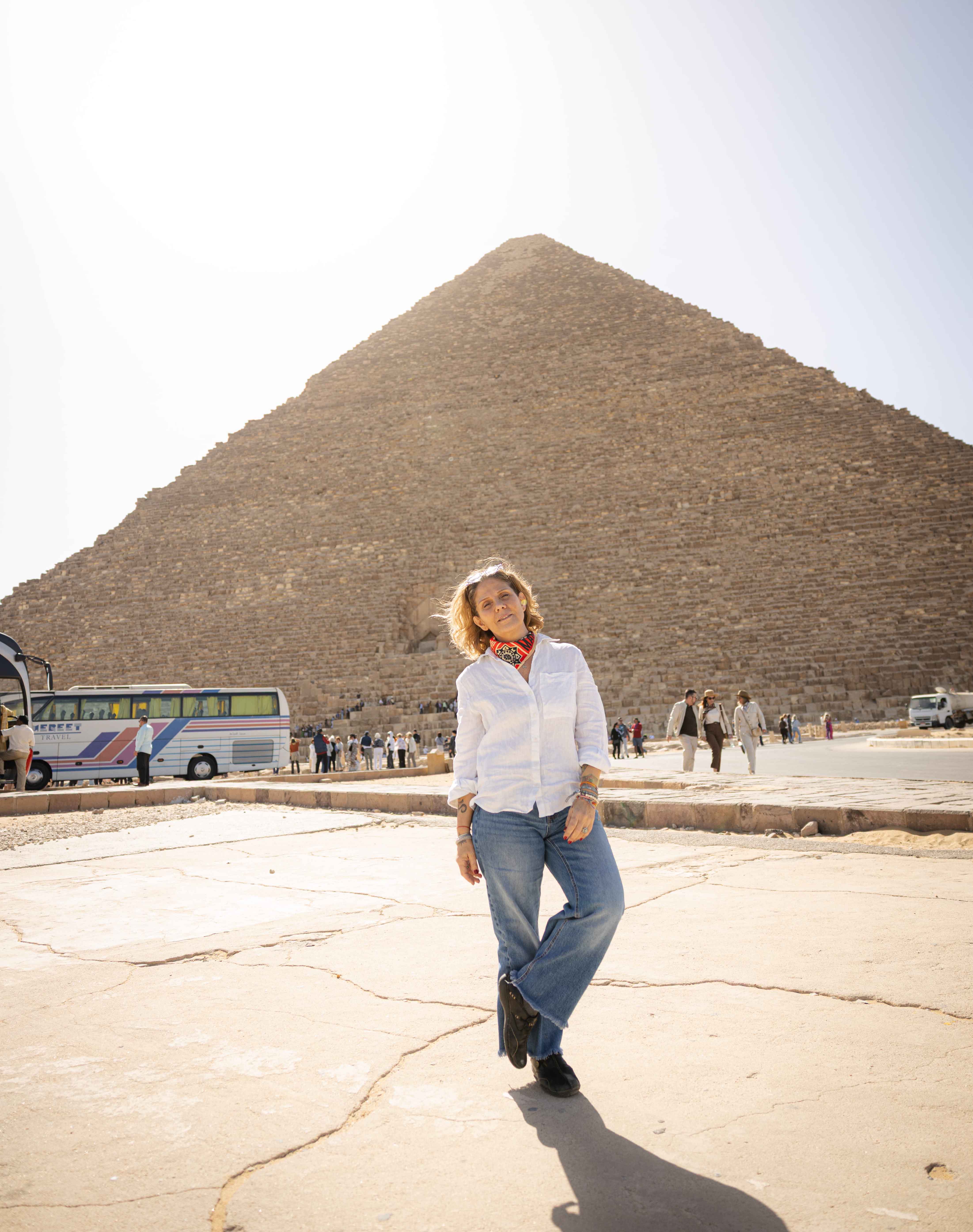
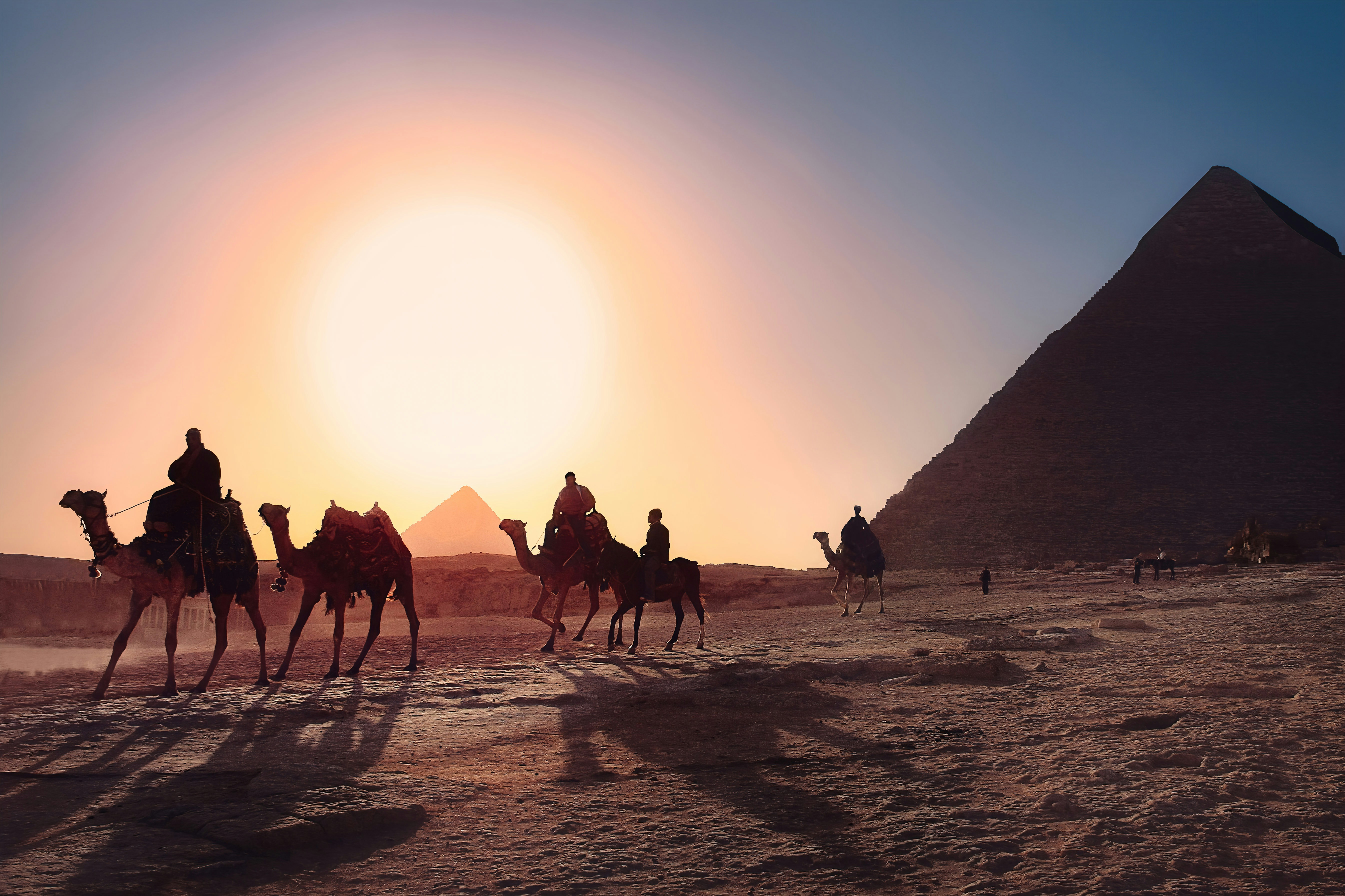
Egypt tells one of humanity’s oldest stories. The pyramids, temples, and monuments left behind by the pharaohs are not merely ruins of the past; they are the imagination of an ancient civilization carved into stone.
</p>
<p>
At the center of this story flows the Nile River. An ancient saying captures its importance perfectly:
</p>
<p><strong>“Egypt is the gift of the Nile.”</strong></p>
<p>
Without the Nile’s annual flooding there would have been no agriculture, no cities, and no Egyptian civilization.
</p>
<p>
Today, from the bustling streets of Cairo to the majestic temples of Luxor, Egypt offers travelers the rare experience of walking through both ancient history and a vibrant living culture.
</p>
</div>
<div class="col-md-6">
<img src="https://kites.com.tr/uploads/Files/1772956204_IMG_0014.jpg"
class="img-fluid egypt-image">
</div>
</div>
</div>
</section>
<section class="egypt-section">
<div class="container">
<div class="row align-items-center">
<div class="col-md-6">
<img src="https://kites.com.tr/uploads/Files/1772956396_IMG_0395.jpg"
class="img-fluid egypt-image">
</div>
<div class="col-md-6">
<h3>When the Pyramids Were White</h3>
<p>
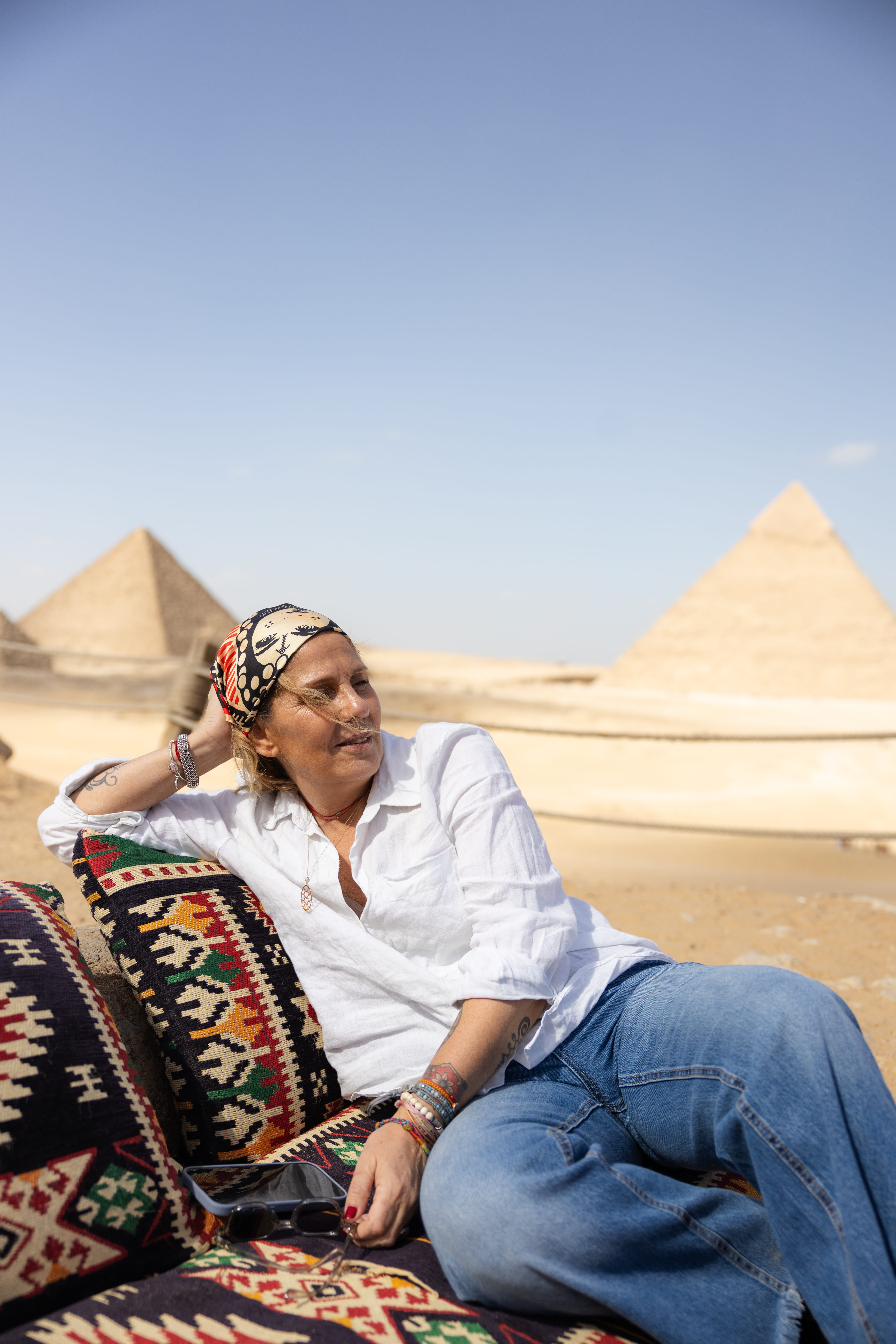
The pyramids we see today appear sandy and weathered. But when they were first built, they were covered with smooth white limestone that reflected the sun so brightly they could be seen from miles away.
</p>
<p>
The best time to visit them is early morning, when the crowds are smaller and the rising sun paints the stones in golden light.
</p>
</div>
</div>
</div>
</section>
<section class="egypt-section">
<div class="container">
<div class="egypt-highlight">
<h3>Khan El Halili</h3>
<p>Khan el Khalili is not simply a market; it is a centuries-old urban maze.
Many of its alleys historically developed around specific crafts. One street may be filled entirely with coppersmiths, while another specializes in perfumes.
In some of the oldest shops, merchants still use metal scales dating back to the Ottoman era.
Local shopkeepers share a small tradition:
The first sale of the day is called “fath el rizq”, meaning “the opening of one’s livelihood.” Because of this, the first customer of the day is often treated with special generosity.
</p>
</div>
</div>
</section>
<section class="egypt-section">
<div class="container">
<div class="egypt-highlight">
<h3>Karnak Temple</h3>
<p>
Karnak Temple is not a single structure but rather a vast religious complex that expanded for nearly two thousand years, growing like a sacred city.
One intriguing detail lies in the Hypostyle Hall.
The tops of many columns once held flagpoles with colorful banners. When the wind blew, the temple would not only look impressive but also become a place filled with movement and sound.
Another lesser-known detail is the presence of ancient graffiti carved into some walls. Visitors from the Greek and Roman periods scratched their names into the stone—meaning Karnak already functioned as a kind of “visitor book” two thousand years ago.
</p>
</div>
</div>
</section>
<section class="egypt-section">
<div class="container">
<div class="egypt-highlight">
<h3>Valley Of The Kings</h3>
<p>
Many tombs in the Valley of the Kings were intentionally aligned in different directions. This relates to the mythological journey of the sun through the underworld during the night.
Inside the tombs, wall paintings depict the pharaoh’s journey in the afterlife. These are not merely decorations; they function almost like a stone version of the Book of the Dead, guiding the ruler through the next world.
One fascinating detail discovered by archaeologists is the presence of small marks left by workers. Hidden behind walls or in corridor corners are tiny drawings and symbols made by the builders—something like ancient construction signatures.
</p>
</div>
</div>
</section>
<section class="egypt-section">
<div class="container">
<div class="egypt-highlight">
<h3>Aswan - Philae Temple</h3>
<p>
Philae Temple does not stand in its original location today.
When the Aswan High Dam was built in the 1960s, the temple faced the threat of being submerged.
An international UNESCO project carefully dismantled the temple stone by stone and relocated it to the nearby island of Agilkia.
During the process, around 40,000 stone blocks were numbered and reconstructed.
So when visitors walk through Philae today, they are actually exploring an ancient monument that was reassembled like a massive archaeological puzzle.
</p>
</div>
</div>
</section>
<section class="egypt-section">
<div class="container">
<div class="egypt-highlight">
<h3>Cairo: The City That Never Sleeps</h3>
<p>
Cairo is one of the loudest and most energetic cities in the world. Even at 2 a.m., coffeehouses are full, street vendors call out to passers-by, and people continue their conversations in the streets.
</p>
<p>
The city is also known as the <strong>“City of a Thousand Minarets”</strong>.
</p>
</div>
</div>
</section>
<section class="egypt-section">
<div class="container">
<div class="row">
<div class="col-md-4">
<div class="egypt-highlight">
<h4>🐈 Sacred Cats</h4>
<p>
In Ancient Egypt, cats were considered sacred animals. When a cat died, families mourned and some cats were even mummified.
</p>
</div>
</div>
<div class="col-md-4">
<div class="egypt-highlight">
<h4>🌺 Ancient Perfumes</h4>
<p>
Fragrances such as lotus, myrrh, and cinnamon were used in temples and royal palaces. Ancient Egyptians were highly skilled in perfume making.
</p>
</div>
</div>
<div class="col-md-4">
<div class="egypt-highlight">
<h4>📅 Early Calendar</h4>
<p>
One of the earliest examples of the 365-day calendar was developed in Ancient Egypt based on the flooding cycle of the Nile.
</p>
</div>
</div>
</div>
</div>
</section>
<section class="egypt-section">
<div class="container">
<div class="row align-items-center">
<div class="col-md-6">
<h3>Egypt’s New Museum Era: <br/>GEM and NMEC</h3>
<p>
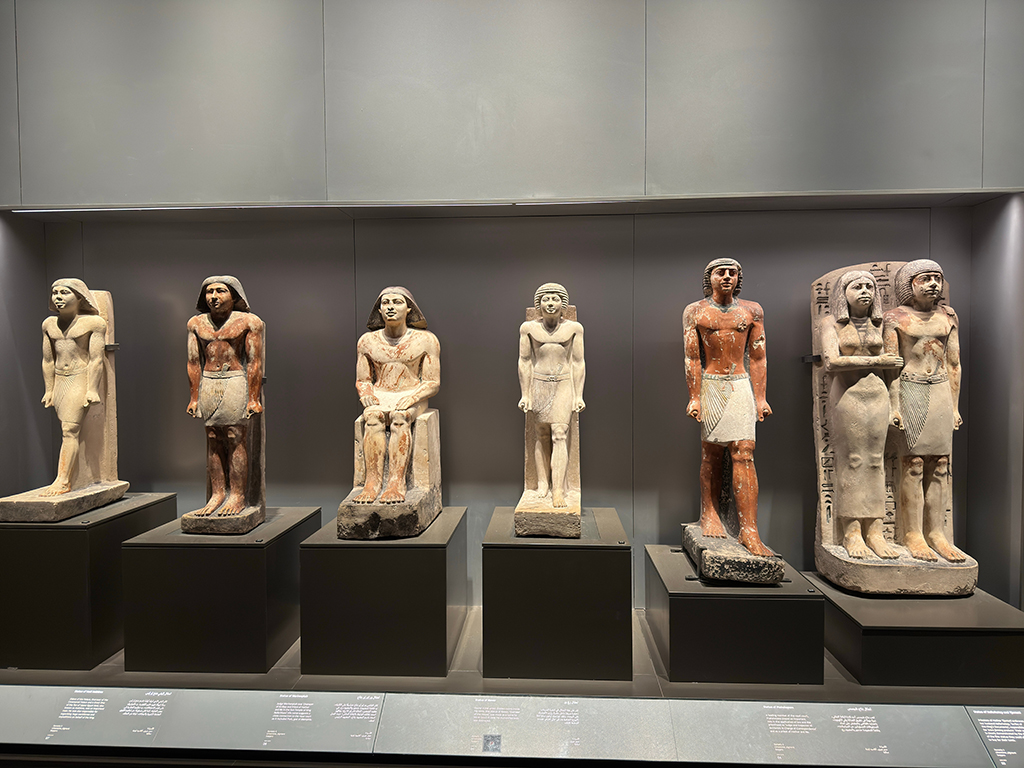
Egypt has recently entered a new era of museums that present its ancient heritage through modern exhibition design.
The Grand Egyptian Museum (GEM), located near the Giza Pyramids, is considered one of the largest archaeological museums in the world dedicated to a single civilization. The museum will display thousands of artifacts from ancient Egypt, including the entire treasure collection from the tomb of Tutankhamun presented together for the first time. Visitors are welcomed by the monumental statue of Ramesses II, and the museum’s galleries offer panoramic views toward the pyramids.
</p>
<p>
Another major cultural landmark is the National Museum of Egyptian Civilization (NMEC) in Cairo. Unlike traditional museums that focus mainly on the pharaonic era, NMEC presents the full story of Egyptian civilization from prehistoric times through the Coptic, Islamic, and modern periods. One of its most remarkable sections is the Royal Mummies Hall, where the preserved mummies of famous rulers such as Ramses II, Hatshepsut, and Seti I are displayed in specially designed galleries.
</p>
</div>
<div class="col-md-6">
<img src="https://kites.com.tr/uploads/Files/1772956688_IMG_9647.jpg"
class="img-fluid egypt-image">
</div>
</div>
</div>
</section>
<section class="egypt-section">
<div class="container">
<h3 class="text-center mb-5">Egypt Atmosphere</h3>
<div class="row g-4 egypt-gallery">
<div class="col-md-4">
<img src="https://kites.com.tr/uploads/Files/1772956800_IMG_9064.jpeg" class="w-100">
</div>
<div class="col-md-4">
<img src="https://kites.com.tr/uploads/Files/1772956857_IMG_9102.jpeg" class="w-100">
</div>
<div class="col-md-4">
<img src="https://images.unsplash.com/photo-1539768942893-daf53e448371" class="w-100">
</div>
</div>
</div>
</section>
<section class="egypt-section">
<div class="container">
<div class="note-box">
<h3>Handan’s Travel Notes</h3>
<p>
The best time to see the pyramids is early morning when the crowds are smaller and the stones glow in golden light.
</p>
<p>
Watching the sunset along the Nile in Cairo is one of the best ways to feel the rhythm of the city.
</p>
<p>
In Luxor, the temple walls create an incredible atmosphere in the last light of the day.
</p>
</div>
</div>
</section>
EGYPT
The Civilization Born from the Nile
Egypt tells one of humanity’s oldest stories. The pyramids, temples, and monuments left behind by the pharaohs are not merely ruins of the past; they are the imagination of an ancient civilization carved into stone.
At the center of this story flows the Nile River. An ancient saying captures its importance perfectly:
“Egypt is the gift of the Nile.”
Without the Nile’s annual flooding there would have been no agriculture, no cities, and no Egyptian civilization.
Today, from the bustling streets of Cairo to the majestic temples of Luxor, Egypt offers travelers the rare experience of walking through both ancient history and a vibrant living culture.
When the Pyramids Were White
The pyramids we see today appear sandy and weathered. But when they were first built, they were covered with smooth white limestone that reflected the sun so brightly they could be seen from miles away.
The best time to visit them is early morning, when the crowds are smaller and the rising sun paints the stones in golden light.
Khan El Halili
Khan el Khalili is not simply a market; it is a centuries-old urban maze.
Many of its alleys historically developed around specific crafts. One street may be filled entirely with coppersmiths, while another specializes in perfumes.
In some of the oldest shops, merchants still use metal scales dating back to the Ottoman era.
Local shopkeepers share a small tradition:
The first sale of the day is called “fath el rizq”, meaning “the opening of one’s livelihood.” Because of this, the first customer of the day is often treated with special generosity.
Karnak Temple
Karnak Temple is not a single structure but rather a vast religious complex that expanded for nearly two thousand years, growing like a sacred city.
One intriguing detail lies in the Hypostyle Hall.
The tops of many columns once held flagpoles with colorful banners. When the wind blew, the temple would not only look impressive but also become a place filled with movement and sound.
Another lesser-known detail is the presence of ancient graffiti carved into some walls. Visitors from the Greek and Roman periods scratched their names into the stone—meaning Karnak already functioned as a kind of “visitor book” two thousand years ago.
Valley Of The Kings
Many tombs in the Valley of the Kings were intentionally aligned in different directions. This relates to the mythological journey of the sun through the underworld during the night.
Inside the tombs, wall paintings depict the pharaoh’s journey in the afterlife. These are not merely decorations; they function almost like a stone version of the Book of the Dead, guiding the ruler through the next world.
One fascinating detail discovered by archaeologists is the presence of small marks left by workers. Hidden behind walls or in corridor corners are tiny drawings and symbols made by the builders—something like ancient construction signatures.
Aswan - Philae Temple
Philae Temple does not stand in its original location today.
When the Aswan High Dam was built in the 1960s, the temple faced the threat of being submerged.
An international UNESCO project carefully dismantled the temple stone by stone and relocated it to the nearby island of Agilkia.
During the process, around 40,000 stone blocks were numbered and reconstructed.
So when visitors walk through Philae today, they are actually exploring an ancient monument that was reassembled like a massive archaeological puzzle.
Cairo: The City That Never Sleeps
Cairo is one of the loudest and most energetic cities in the world. Even at 2 a.m., coffeehouses are full, street vendors call out to passers-by, and people continue their conversations in the streets.
The city is also known as the “City of a Thousand Minarets”.
🐈 Sacred Cats
In Ancient Egypt, cats were considered sacred animals. When a cat died, families mourned and some cats were even mummified.
🌺 Ancient Perfumes
Fragrances such as lotus, myrrh, and cinnamon were used in temples and royal palaces. Ancient Egyptians were highly skilled in perfume making.
📅 Early Calendar
One of the earliest examples of the 365-day calendar was developed in Ancient Egypt based on the flooding cycle of the Nile.
Egypt’s New Museum Era:
GEM and NMEC
Egypt has recently entered a new era of museums that present its ancient heritage through modern exhibition design.
The Grand Egyptian Museum (GEM), located near the Giza Pyramids, is considered one of the largest archaeological museums in the world dedicated to a single civilization. The museum will display thousands of artifacts from ancient Egypt, including the entire treasure collection from the tomb of Tutankhamun presented together for the first time. Visitors are welcomed by the monumental statue of Ramesses II, and the museum’s galleries offer panoramic views toward the pyramids.
Another major cultural landmark is the National Museum of Egyptian Civilization (NMEC) in Cairo. Unlike traditional museums that focus mainly on the pharaonic era, NMEC presents the full story of Egyptian civilization from prehistoric times through the Coptic, Islamic, and modern periods. One of its most remarkable sections is the Royal Mummies Hall, where the preserved mummies of famous rulers such as Ramses II, Hatshepsut, and Seti I are displayed in specially designed galleries.
Handan’s Travel Notes
The best time to see the pyramids is early morning when the crowds are smaller and the stones glow in golden light.
Watching the sunset along the Nile in Cairo is one of the best ways to feel the rhythm of the city.
In Luxor, the temple walls create an incredible atmosphere in the last light of the day.